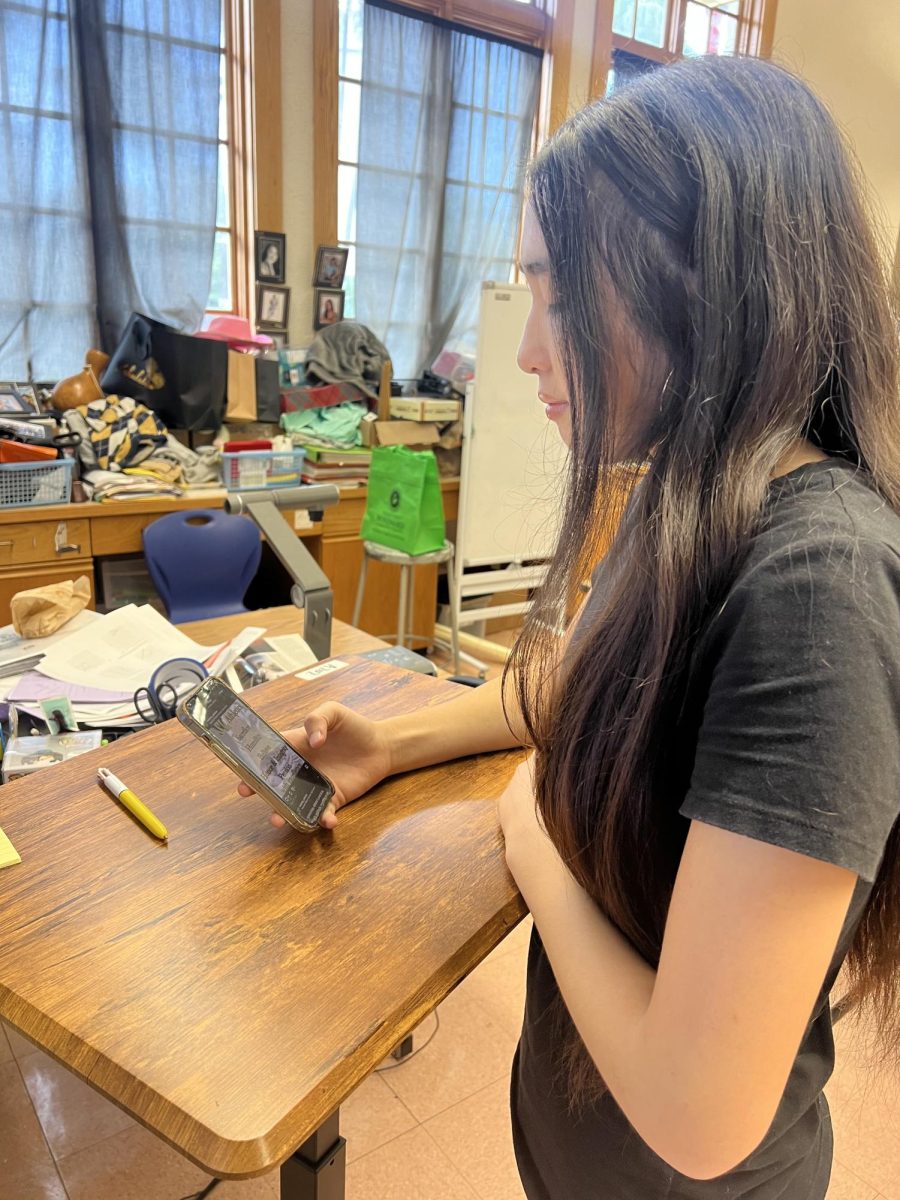
With technology advancing year by year, the use and popularity of social media has grown as well. It has significantly changed the sports field with more opportunities for exposure, learning possibilities and communication. On the other hand, social media has introduced challenges such as peer pressure, laziness and mental health issues. Whether it’s positive or negative, social media has become a key influence in modern sports.
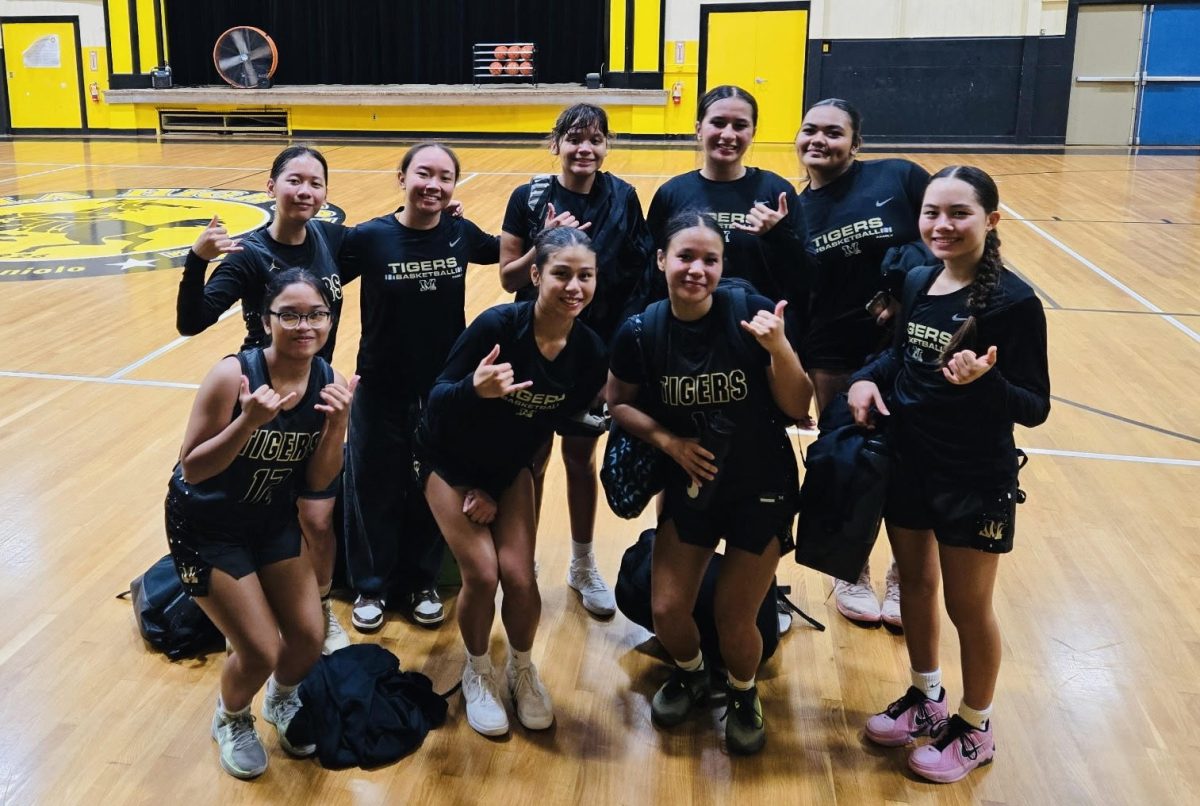
Grace Pham (c/o ‘24), a versatile player who helped lead her team to win the OIA 2024 Girls Basketball Division II Championship said,
“Social media, if you know how to use it, it can be really successful for you. But if you don’t know how to use it for yourself, then you could really mess up your career or reputation, just because whatever you put out there, stays out there, and you don’t want something wrong out there that makes you look really bad.”
According to the website Kaspersky, digital footprint is a digital trail that a person leaves on the internet, meaning whatever they do or say stays online forever. This can affect job and college opportunities. However, when used correctly it can be a beneficial tool for athletes to learn and reflect themselves in a positive and professional way.
Pham said she spent more time on social media during basketball season. She would rewatch herself to learn what she can improve on, and watch other gameplay from different teams to scout them out and create a game plan.
“If you know how to control the way you use social media, then you know you can keep your mind right and then stay focused,” said Pham.
Jasmin Benavente (c/o ‘29), an athlete who played on the JV Girls Basketball team this past season, said, “They post things that could help you become a better player.”
“It’s mainly coaches or people that play basketball seriously that would post good drills to help with things like shooting or ball handling. They also post different techniques to use when playing basketball,” Benavente added.
However, with the constant exposure of highlights, people find themselves comparing themselves to others. Athletes often feel pressure to appear flawless not only on the field or court, but also on social media.
Negative comments or minimal to no engagement can lead to self-doubt and increased stress, particularly among younger athletes who are still building confidence. Seeing other athletes’ success stories can make people feel like they are lagging behind, even though everyone is on their own path.
Benavente further explained this sentiment when she said, “If a player who’s best on their team sees someone online that’s way better than them, their confidence would go down, and they’ll think that they have to get to that level fast,” she added.
An athlete can use social media and technology to scout their opponent and recognize their strengths and weaknesses, thus giving them an upper hand. Luna Russi (c/o ‘27), is a point guard for the McKinley Girls’ Basketball team.
She said, “You can use social media to learn about your opposing teams and motivation and skills.”
Russi said she has done this many times as an athlete, so they can predict how their opponents will play and what her and her teammates can do against their skills.
“Since I’m mostly a visual learner, watching basketball clips or training videos I’ve come across helps me learn how to improve on certain skills,” Lussi explained.
In the current era where technology is the go-to source for information for most people, social media has increasingly become an influential factor of an athlete’s career.
This article has gone through the following process: pitch, interviews, drafting, peer feedback focused on content/structure, revision, peer feedback focused on language/conventions/style, self-checked for ethics and fact-checked by sources. Student editors approve the article for publication.