McKinley High School’s L3 Club—named for its focus on law, leadership, and life skills—launched last quarter with a campuswide speaker event giving students firsthand insight into the systems and decisions that shape civic life.
Founded at the start of the 2025–26 school year, the club traces its origins to McKinley’s former Public Safety Academy, which club co-adviser Shawn Hamamoto described as a police‑focused program built around recruiting students into law‑enforcement pathways during a statewide shortage. As the program evolved, its scope expanded to include how legal and political systems function beyond policing.
“Public safety is bigger than policing,” Hamamoto said. “Students should hear directly from people who’ve lived the outcomes. That’s the only way it feels real.”
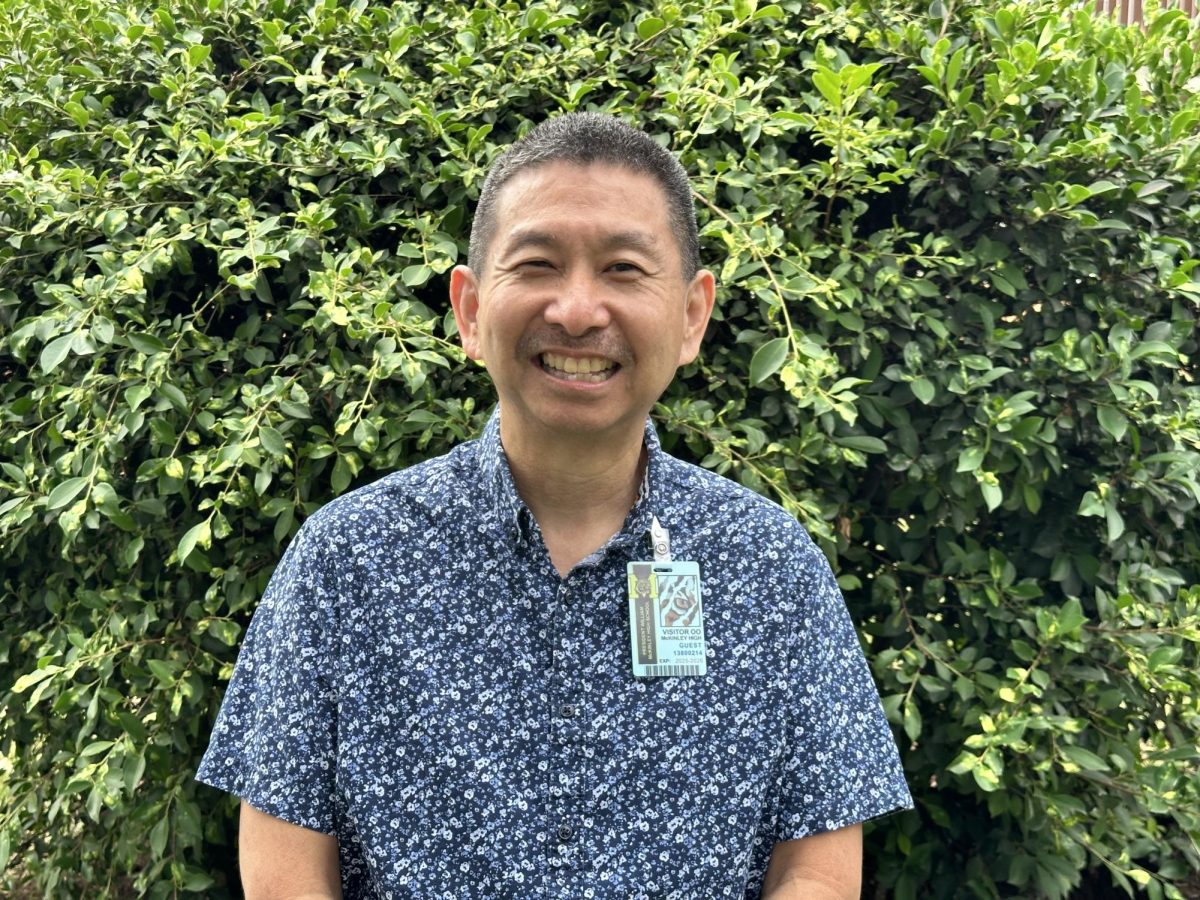
Hamamoto, who began teaching at McKinley this school year, said his perspective on broadening the club came from years spent working in local and state government before entering the classroom. He worked on multiple state political campaigns, served as a community liaison for the City Council and for Mayor Kirk Caldwell, and held roles ranging from special assistant to head of the Neighborhood Commission Office. Hamamoto also spent time at the Legislature in both the House and Senate, and later worked for the Department of Health. Those positions, he said, exposed him to how policy decisions, public‑safety agencies, and community needs intersect, which shaped his view that students should hear from people across the system—not just law enforcement.
“It dawned on me that being in this newly formed club offered an opportunity to tap my experiences in politics and government,” Hamamoto said. “I could bring in speakers students might never meet otherwise.”
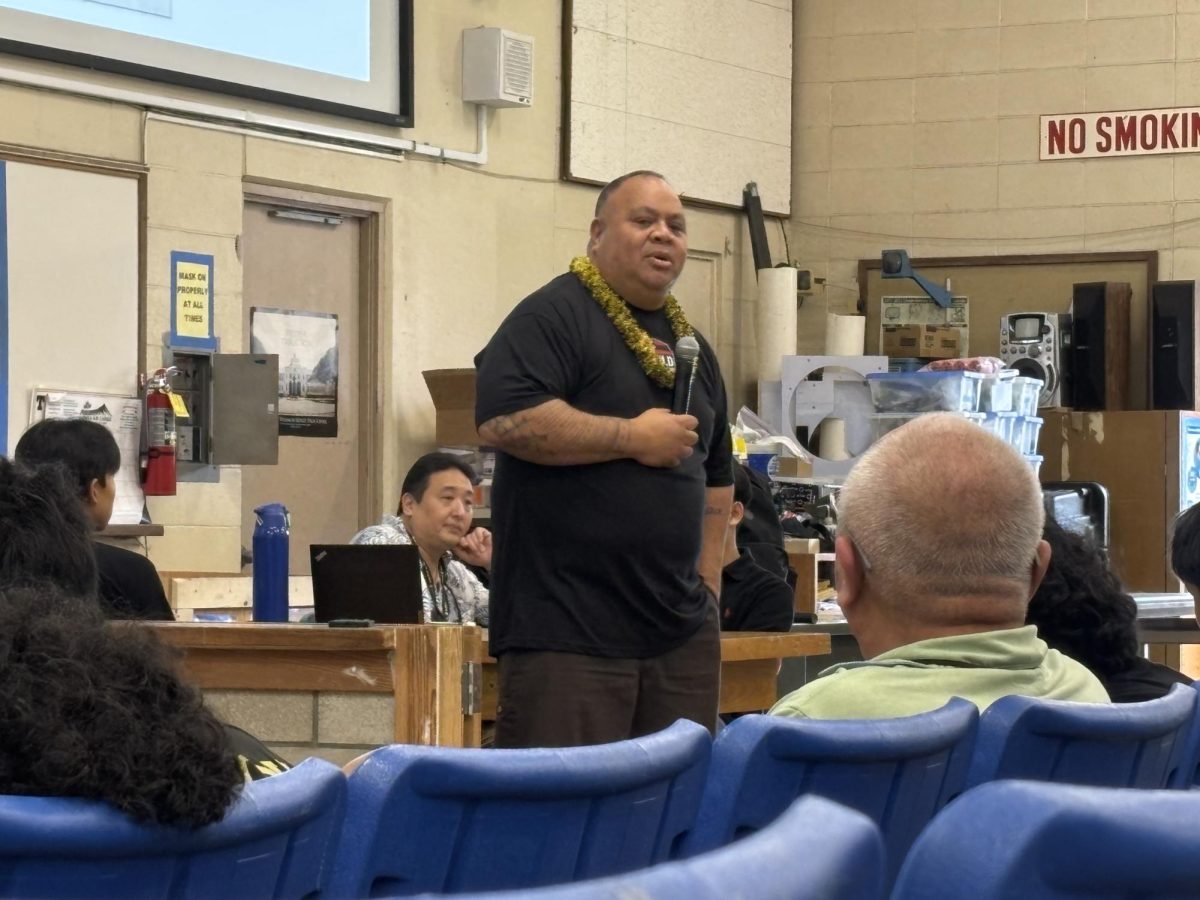
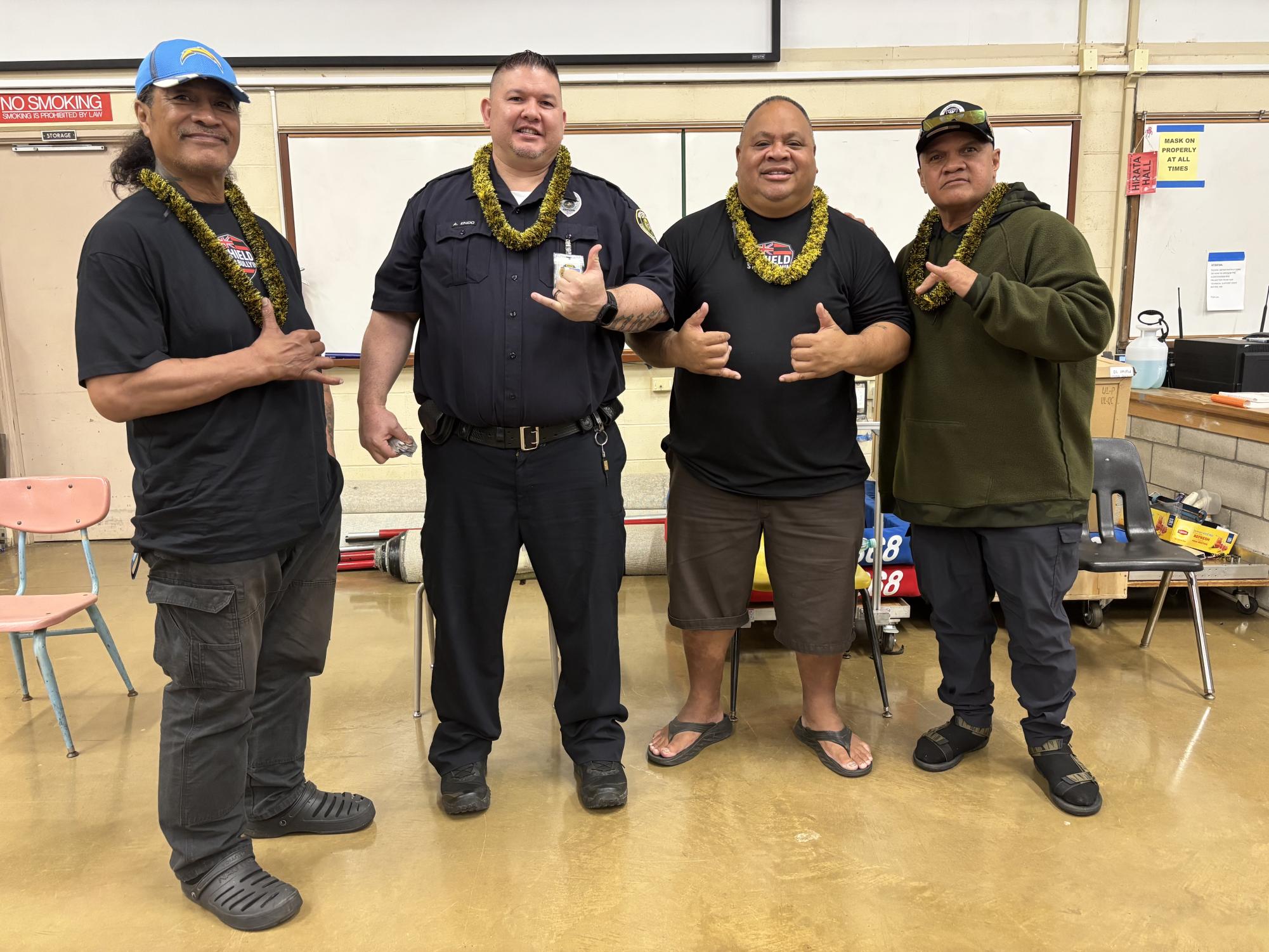
That idea took shape in Dec. 2025, when the club hosted its first campuswide presentation, “Road to Redemption,” featuring three formerly incarcerated speakers and a corrections officer. Hamamoto opened the event by outlining the club’s mission and introducing Nelson Sua, whom he first met in 2012 while working as a liquor‑license consultant. Sua, joined by his brother Sio, Danny Tupola, and corrections officer Andrew Endo, spoke about the choices that led to their incarceration and the realities of the prison system.
“When I was nine, my father showed me things no child should ever see,” Sua said. “It put me on a road I wish I never took, and I’m here so you don’t make the same mistake.”
Sua told students that the instability he grew up with shaped the course of his entire family. All twelve siblings eventually entered the prison system, a pattern so stark that the University of Hawaii once attempted a case study on how an entire household could fall into the same cycle. He said he spent his early adulthood in and out of prison before moving to the continental United States to rebuild his life, carrying years of trauma and depression that followed him long after release.
“I watched my whole family fall into the same cycle,” Sua said. “Some of my siblings didn’t survive it, and the rest of us spent years in the system.”
The panel’s other speakers added their own angles on the system. Tupola spoke about entering the adult prison system as a teenager, Sio described the choices that pulled him into gang life, and Endo outlined the system from a corrections‑officer’s view. Together, their stories gave students a blunt look at how quickly small decisions can escalate into long‑term consequences.
“The whole room felt tense,” event attendee Rose Ganotisi (c/o ’28) said. “Hearing how openly they talked about their families and what they lived through made me realize you never know what someone else is carrying.”
“They were serious about their message, and it made me think harder about the choices we make in high school,” Ganotisi added.
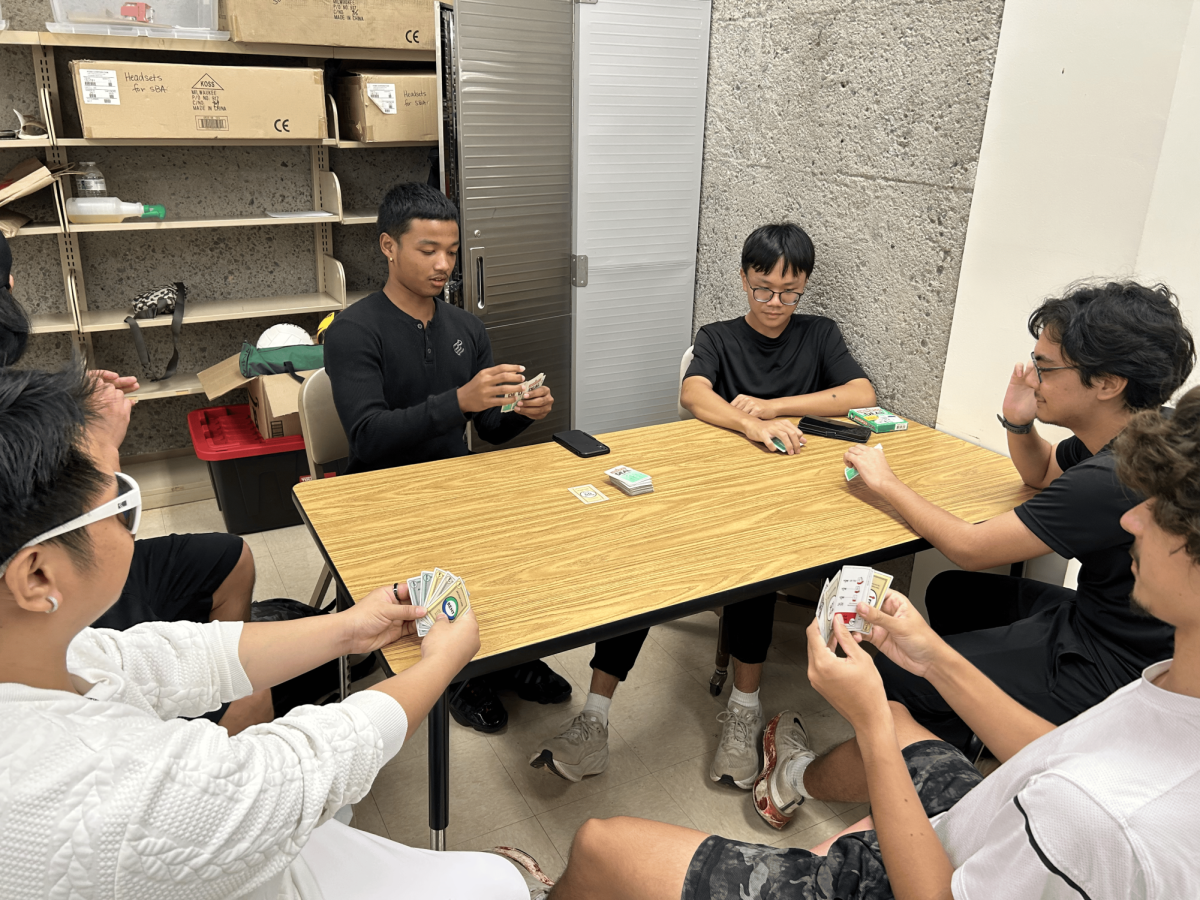
For the L3 Club, the presentation was only one part of a broader effort to give students steady guidance throughout the year. The club meets every other Thursday in MS10, where students work through leadership and decision‑making activities with support from the Honolulu Police Department’s Community Policing Team. Meetings focus on practical skills, everything from communication and teamwork to basic public‑safety scenarios, giving students a structured space to apply the concepts the club emphasizes. Club president Kai Hamamoto (c/o ‘27) said the biweekly format keeps the meetings manageable for students.
“I joined because I needed help with leadership and life skills,” Kai said. “With everything going on — AP classes, sports, time management — I just wanted a place that could teach me to be [more] civically engaged.”
With the club settling into its first full year, leaders say they want to keep students connected to real‑world voices beyond the classroom. The club’s next guest speaker, former Honolulu mayor Mufi Hannemann, is scheduled to visit campus in Mar. 2026 as part of its quarterly series. Each quarter, the club plans to bring in a different community figure so students hear directly from people who’ve worked inside the systems they’re learning about. They hope the steady rhythm of speakers and meetings will give students something real to take with them beyond the classroom.
“Students like myself are still figuring things out,” Kai said. “Having people come in and teach us what they’ve learned makes school feel more connected to real life.”
This article has gone through the following process: pitch, interviews, drafting, peer feedback focused on content/structure, revision, peer feedback focused on language/conventions/style, self-checked for ethics and fact-checked by sources. Student editors approve the article for publication.