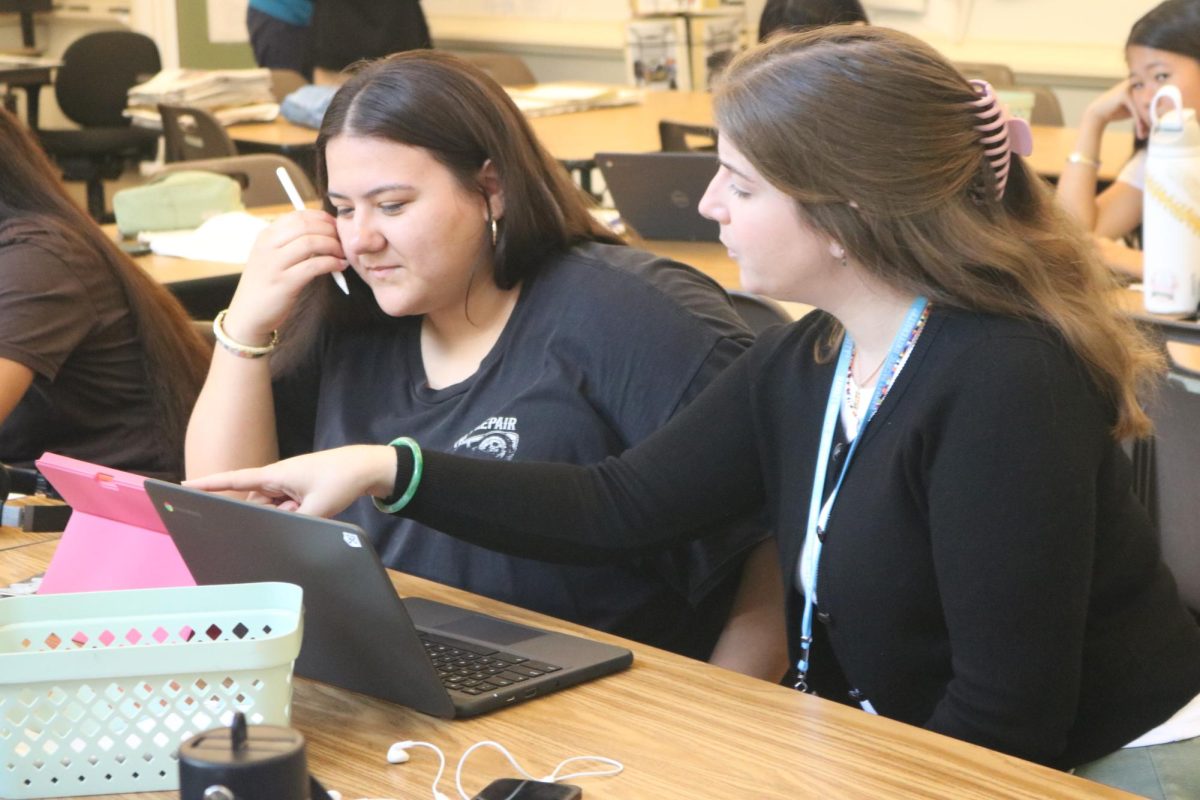
Some school days feel heavier than others, and when students need support, many turn to a trusted adult, teacher, counselor, or administrator for a listening ear and guidance. With students spending an average of seven hours a day on campus, school becomes more than just a place to learn; it becomes a second home where adults often step “in loco parentis.” The legal term “in loco parentis,” originating from Latin, means “in the place of a parent,” reflecting how some educators go beyond teaching and become trusted adults in students’ lives, offering encouragement and a safe space. Behind every student’s journey are the people and places they rely on to get through the challenges of high school.
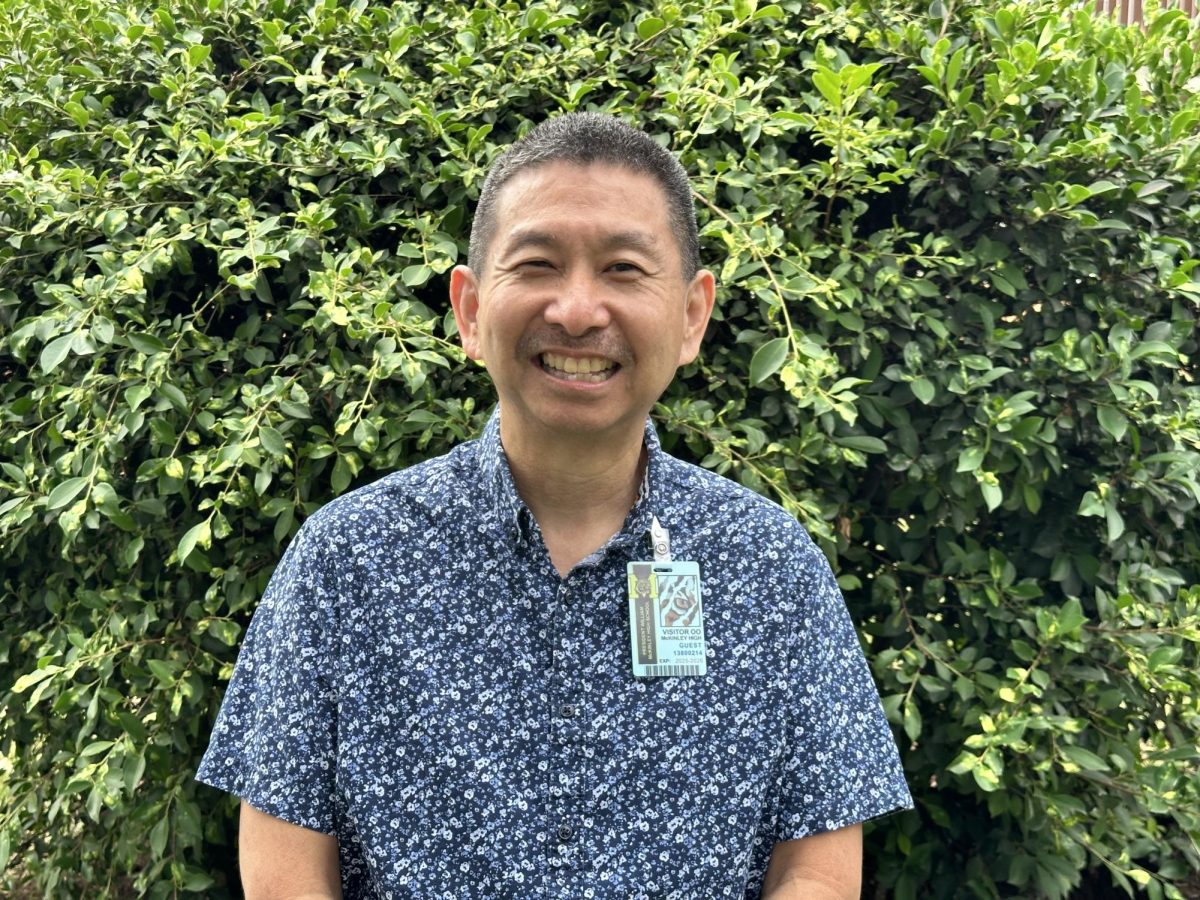
At McKinley High School, math teacher Jennifer Nakamoto is known among many students by the nickname “Mom,” showing how she is more than just a teacher. According to “in loco parentis” teachers are not just there to teach lessons, they also help guide students and look out for them during the school day.
“I’ve been at McKinley for 11 years,” Nakamoto said. Although she didn’t go to McKinley herself, she said her own high school experience at St. Francis really shaped how she connects with students now. She talked about a former math teacher, Ms. Alves, who inspired her to become a teacher. “I could talk to her about anything,” Nakamoto said. “She always supported me… even after I graduated.”
That experience still influences how she runs her classroom today. Over time, she realized students were coming to her for more than just help with schoolwork. One early moment in her teaching career helped her understand how much students trust their teachers. A student opened up to her about serious personal struggles, which made Nakamoto realize how important it is to listen and help students find support. “She knew she could talk to me,” Nakamoto said. “That was the first time I realized kids might see me as more than just a teacher.”
Now, Nakamoto said she feels honored when students come to her for help, even when it has nothing to do with class. “It makes me feel good that there is somebody for them … that they know I’m that person,” Nakamoto said.
For her, being a parental figure means checking on students and pushing them to do their best while still being supportive. She keeps an eye on grades, encourages students to stay on track and tries to show up for big moments in their lives when she can. “It’s about being there for them,” she said. “Sometimes certain students just need someone to stay on them so they don’t fall behind.”
Dear Ms. Alves,
Thank you for always being there for me and listening when I was having a hard time. You let me sit with you and feel supported, and you helped shape the teacher I became today.
– Jennifer Nakamoto
Dominic Niyo (c/o ‘26) said starting high school felt isolating for him. He described himself as quiet and unsure of where he fit in. Over time, however, one teacher’s guidance helped him grow both academically and personally. Reflecting on his early years, Niyo explained that he entered high school feeling withdrawn, but gradually learned to collaborate and find confidence through mentorship and support.
“When I started high school, I was more introverted. I didn’t really like speaking with people … but now I’m able to work with a diverse group of people and do good work together,” Niyo said.
As Niyo navigated challenges throughout high school, he found consistent encouragement from a teacher who became more than just an instructor. Through feedback, mentorship and time spent learning new skills, he discovered a sense of purpose and direction that shaped his high school experience.
“She was one of the first people to see potential in me to do meaningful work … someone I continue to value,” he said, describing the impact of having an adult at school who believed in his abilities.
That support extended beyond academics, influencing Niyo’s confidence and willingness to step outside of his comfort zone. With encouragement, he pursued leadership opportunities, journalism projects and experiences he once doubted he could achieve.
“She gave me the confidence to step into rooms I thought I wasn’t capable of being in … and pushed me into my limits in all forms of journalism,” Niyo said.
Looking back, Niyo credits that mentorship with helping him grow not only as a student, but also as a person who found direction and purpose throughout high school.
Dear Ms. Reves,
I want to thank you for believing in me when I didn’t believe in myself. You pushed me past my limits and taught me skills that will stay with me for life, not just journalism but how to be a better person. You were always there supporting me every step of the way, and I’m really grateful for everything you’ve done.
– Dominic Niyo
Once a quiet freshman who was shy to speak up and often followed others, Ariana Balubar (c/o ’27) has learned to step into leadership and take initiative for herself and the people around her. Now a junior in her second year on student council, Balubar said joining the group was a turning point.
“I was always caught in drama. I felt sad and like I was out of place but also like I had a place,” she said. Her freshman year was complicated, surrounded mostly by upperclassmen friends and thrown into a “high school experience” at an age when she wasn’t fully ready.
But now, Balubar said, things have changed. “I have found my place,” she said. Even if that place is sometimes alone, she has learned to prioritize herself before others and grow into the student she wants to be.
Everything changed when she grew closer to a trusted advisor, Student Activities Coordinator April Nakamura. Spending time in her classroom and participating in student council has helped Balubar realize she had someone she could turn to for guidance and comfort. “She was like a comfort person. Anytime I saw her, she always just wanted to give me a hug … I realized I could go to her for almost anything,” she said. That support gave Balubar the confidence to prioritize herself and step into leadership roles she had once avoided.
Balubar said having a supportive adult changed her high school experience. “If I didn’t get that support, I probably would have been way more to myself … I wouldn’t be able to express myself freely or do the things that I do,” she said. The trust and guidance she found in April Nakamura helped her grow both personally and academically, proving the profound impact a caring adult can have on a student’s life.
Reflecting on her early high school years compared to now, Balubar said her experience has shifted dramatically. While she once felt surrounded by negativity and unsure of her place, she now feels more grounded and at peace with herself, a change she credits largely to having a consistent, supportive adult on campus.
“Now as a junior, I’m kind of at peace … I spend time with Ms. Naks in her room. She’s been like a mom to me. Having her made me realize I don’t really need a big friend group, I just need somebody that can listen to me.”
Through leadership programs and time spent in her classroom, Balubar said her relationship with Nakamura developed naturally. What began as a simple mentorship eventually became a strong source of comfort and emotional support during difficult moments in high school.
“She was like a comfort person … She sees the real me. She’s really helping me navigate my way through high school because I was struggling just being alone.”
Looking back, Balubar said shebelieves having someone who listened without judgment made a lasting impact on her personal growth. The support she received helped her build confidence, prioritize her well-being and discover her own strength.
“If I didn’t get that support, I probably would’ve bottled everything up … because of her, I finally know how to.” put myself first and do things that I love with the people I love,” said Balubar.
Dear Ms. Naks,
Thank you for always being there for me when nobody else really was. Thank you for being the second mother I never thought I needed, and also thank you for treating me like one of your own. I feel like I really needed someone like you growing up. Thank you.
– Ariana Balubar