Whether we would like to admit it or not, grief is ultimately a part of life. People have come up with countless ways to get them through the process: from establishing a model that defines the various stages of emotions that people may experience, finding ways to express themselves, having a support system, you name it. With so many different ways of dealing with grief, some people may wonder, is there a universal way to deal with grief that will work for everyone?
To which, you can think of the way people deal with grief as a personalized experience. In other words, it differs from person to person and subsequently, there is not going to be a universal or “right” way.
Defining Grief
When grief is mentioned, most people probably imagine something along the lines of “it is how someone responds after a loved one has passed away.” And they would be correct, as that is what people usually refer to when they say they are grieving. But what if we were to give grief a more general definition and define grief as someone’s response to a significant loss? Besides a loved one passing, high school students have also said people can grieve over losing their prized possessions or a friendship, for example. Both losses can cause someone to experience the same emotions that someone may feel after a loved one has passed.
Ways People Cope With Grief
Over the course of time, people have come up with various ways on how they deal with grief. Some examples being, having a support system: whether you are talking to or having your friends and family beside you, high school students have said that it has helped them realize that it is okay to feel what they feel (sadness). In fact, behavior health specialists say that people tend to do well in group therapy because they realize that they are not alone.
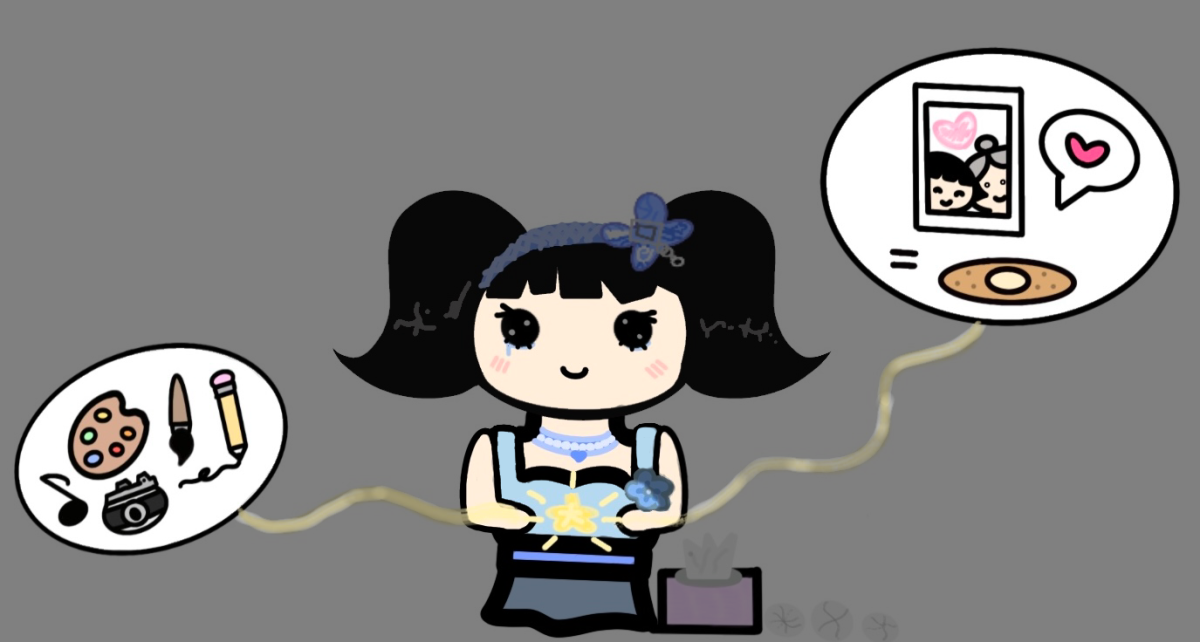
With the rise of griefbots (AI that mimics people’s loved ones using their digital data to chat with the person) like HereAfter AI, have emerged as some people may not feel comfortable talking to another human about their struggles. Whereas some people may find comfort in expressing themselves: through crying, writing, drawing or painting what they feel. Looking at old photos of the person or object may help too. With so many ways for people to cope with grief, people will grieve differently.
Different Ideas of Grief
In order for us to know how to deal with grief, we need to first acknowledge that grieving is complex. For some, it may feel like being hit with a storm of emotions and thoughts. They may still be trying to make sense of what happened and because of that, their moods could change constantly. For example, one second they would feel sad, then angry, then numb about the situation. And people around them may not know how to deal with this uncertainty, including that person.
Many experts have come up with models that describe the “stages” of emotion that a grieving person may go through. A famous example being The Kübler-Ross Model or its more well-known name, The Five Stages of Grief. It was initially introduced as The Five Stages of Death by Dr. Elisabeth Kübler-Ross in her book “On Death and Dying” after she interviewed dying patients about their own impending death. The model, as the name suggests, defines the stages of emotions (denial, anger, bargaining, depression, and acceptance) that the patients felt. Nowadays, it can be used to help people understand those grieving. In my experience, I was frustrated with someone very close to me because I didn’t understand why they hid the fact that they were grieving a loss. I came across this model and realized that it was because they were still very much in denial and trying not to remind themselves about what had happened.
More stages like shock, guilt, anxiety, numbness were also depicted in the book but the most famous five are the ones mentioned above.
In Kübler-Ross’ second book “Questions and Answers On Death & Dying,” she noted that the stages may not be a linear experience as they might occur all at once, be skipped, or not occur at all. Regardless, the model is something that we can look at to build a foundation on what to expect for you or someone else to feel during such hard times.
With so many different ideas and ways to cope with grief, it is not surprising there is not a universal way to grieving. And so to the people grieving, always remember that there may be a way that works for a lot of other people, but ultimately, the “right” way is the way that works for you. If you know someone who is currently grieving, be there for them with open arms. Sometimes just listening to what they have to say will bring validation and comfort. Even if you are not in any of these situations, it is always good to be in the know.
If you or someone around you is experiencing a hard time, know that help is available. Here are some resources you can call or text:
Hawai’i CARES | 988 (call or text)
National Suicide Prevention Lifeline | 1-808-2730-TALK (8255)
Self-Harm Hotline | 1-808-366-8288 (call)