At McKinley High School, student struggles are a significant concern; student issues are often dismissed as normal or a common part of growing up, but why are these challenges frequently overlooked? Who is responsible for addressing these issues? Students, families, and teachers all feel their impact. Some identify struggles such as laziness or a lack of sleep. However, information gathered through interviews suggests that schools are putting greater pressure on students than before.
These issues begin to build up when students appear distracted and teachers find it hard to engage with them. When students have to endure high expectations and don’t have the time to relax, this often leads to feeling burnt out or stuck. Students believe that by making real changes to how schools operate, instead of just telling students to “push through”.
Additionally, students have agreed that something needs to change. In classroom discussions, students said that they value teachers who notice when they are struggling and give additional support. Students want more understanding from their teachers regarding workloads and deadlines. Maile Kato (c/o 29’) at McKinley High school states, “Yeah, in general I do feel more tired throughout the day and sometimes deadlines are hard to meet, so it gets stressful.”
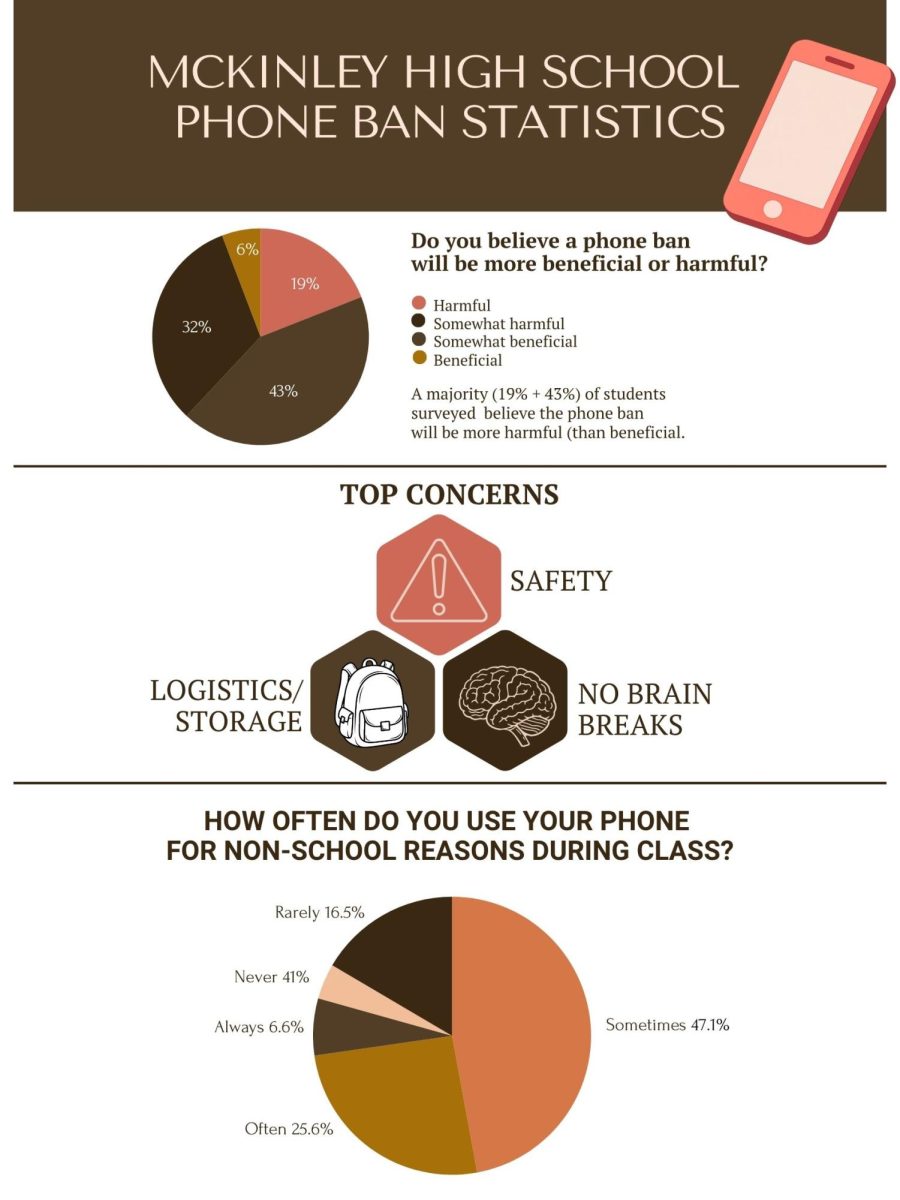
According to “The Mandate for Character: A 2026 report”, approximately 71% of teachers have stated that they’ve been seeing a serious decline in student behavior and engagement over the past years. Research based on the Mandate for Character has shown that nearly 80% of teachers find it difficult to get students’ attention because of constant cell phone notifications. Sometimes this interruption can make it difficult to complete assignments, which can lead to the build up of assignments or stress.
On average, high school students spend over 50 hours a week on school-related activities/work, which consist of classes and homework. This heavy workload can affect the nine hours of sleep that are heavily recommended by health experts. In fact, statistics reveal that nearly 70% of students get less than seven hours of sleep, which is an essential cause of burnout. Students at McKinley report feeling tired, especially during the final weeks of school, describing it as trying to “survive” the next couple of weeks.
Sofia Zarella, an English teacher at McKinley, says, “I think that school stress is definitely a problem. It’s important for teachers to just be there for the students, especially if they are experiencing a hard time.” Constant pressure and a lack of downtime drain students mentally and physically. Students’ motivation can replace those emotions with feelings of dread.
Burnout has other effects, not just making students feel tired. Burnout can have a role in students’ mental health and well being. Globally, many students experience symptoms of anxiety, difficulty concentrating, and hopelessness about school. When students are constantly overwhelmed/pressured and have no time to relax, the motivation fades and is replaced with feelings of dread. When addressing burnout, it is not just about improving grades, but it’s protecting the overall well-being of young teens.